


Last week, I moved apartments after a major life change. And if you’ve ever done that, I don’t have to tell you that moving is already one of the most stressful things someone can go through. Doing it in the wake of a separation? That takes everything to an entirely different level.
There’s the logistics, of course: boxes, supplies, timelines, keys, a seemingly endless stream of online accounts with addresses to update. But then there’s the heavier part—the emotional weight of it all. Packing up a life that no longer fits. Making significant life decisions with no gas left in the tank. Trying to move forward while still processing what you’re leaving behind.
As I was in it, I kept thinking of the airport experience, which can create similar kinds of stress for those who aren’t fluent in its language. Timing your arrival just right. Knowing how to move through the security line. Navigating concourses and gate changes. Keeping up with ever-evolving airline rules and policies. You’re just trying to get from Point A to Point B, but the path between the two is crowded with uncomfortable friction. The difference between a chaotic day and a calm one, I’ve found, is whether you try to navigate the experience entirely on your own, or let the right services do some of the heavy lifting for you.
Over time, I’ve learned that the services we tend to label as “luxuries” are often just systems designed to make hard moments easier. They reduce mental load and remove unnecessary decisions. Whether it’s a smoother airport experience or a move that takes the pressure off, these choices are less about indulgence and more about making stressful moments feel more manageable.
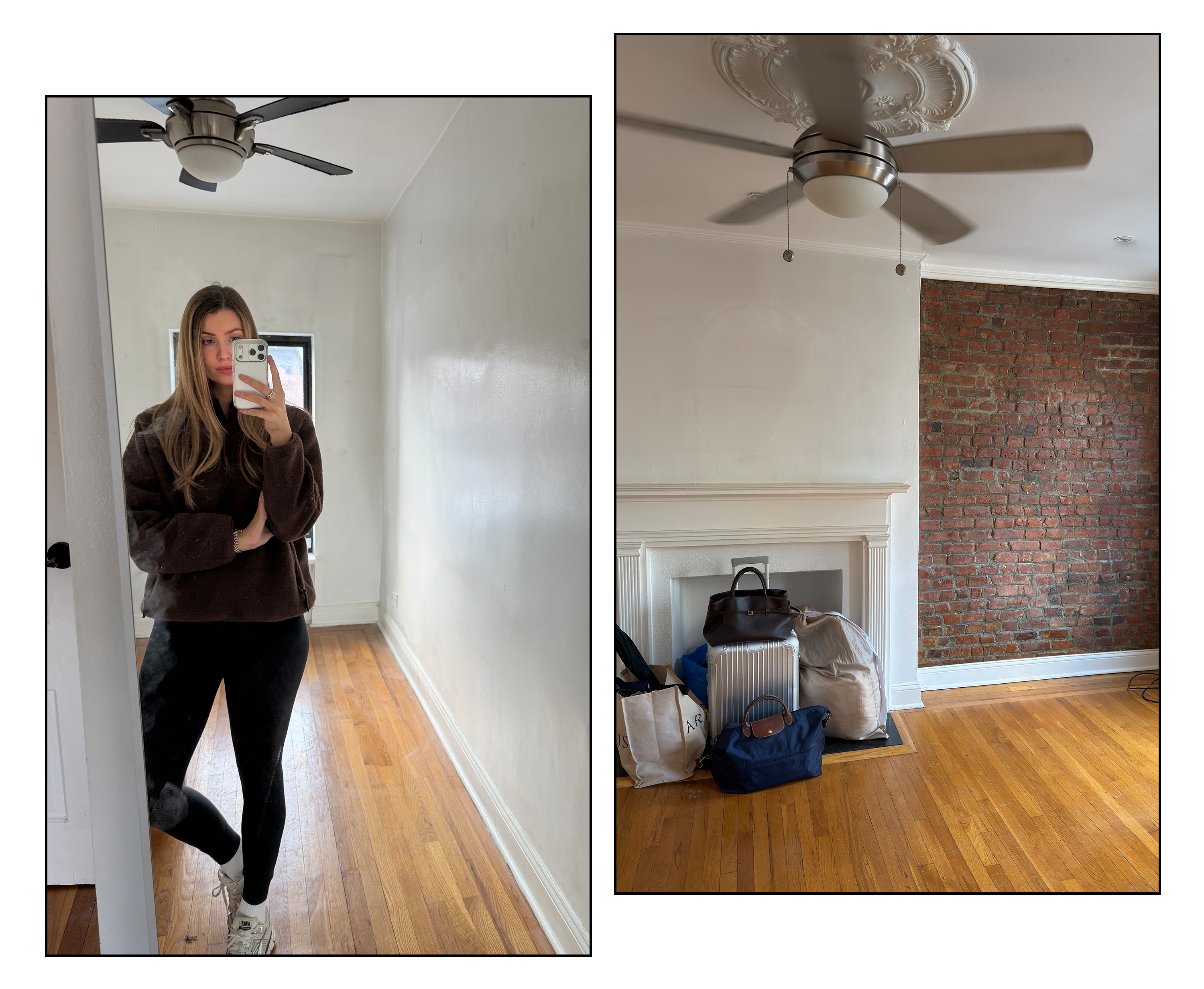
The systems that changed how I travel
I genuinely enjoy flying now, but that certainly didn’t happen overnight. Or by accident. It happened because I built systems around the parts of travel that used to stress me out.
TSA PreCheck was the first domino, stripping uncertainty from security, which meant fewer variables on days when timing already mattered. Global Entry followed. Once I experienced a bit of ease, I sought to design my entire travel days around it. From there came paying for a credit card that grants me lounge access, keeping a second set of my travel essentials packed at all times, and a more intentional approach to upgrades that make long-haul flights more comfortable.
While some of these choices might read as flex-y, they’re less about status signaling and much more about predictability and comfort—the keys to actually enjoying an experience instead of white-knuckling my way through it. Once ease entered the picture, it became the standard.
When the same logic applies on the ground
Preparing for a move in the middle of a major life transition made it immediately clear that the same logic applies well beyond the airport.
Moving is full of inflection points where stress compounds quickly: packing the right way, coordinating timelines, managing logistics, worrying about what might break or go missing, wondering if everything will actually arrive when it is supposed to, among so many other things. It’s the moving equivalent of standing in the wrong airport line, realizing too late that you misunderstood the process.
In the midst of everything else I was dealing with, I knew I didn’t want to navigate all of that on my own. I wanted the same kind of support I rely on when I travel: a system that removes uncertainty, simplifies decisions, and makes a stressful experience feel predictable. In other words, I needed the PreCheck of moving companies.
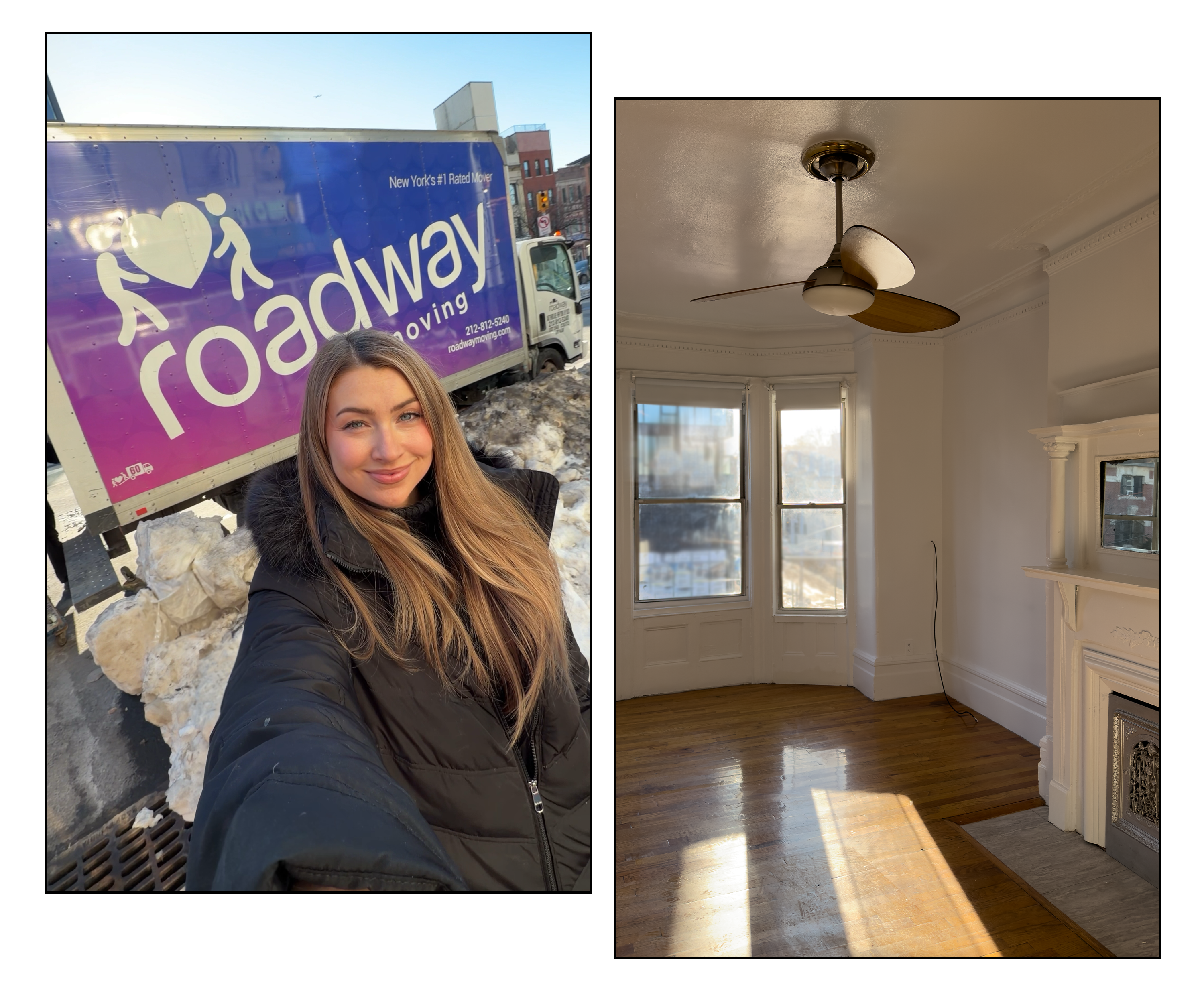
The moving equivalent of PreCheck
That mindset is what led me to work with Roadway.
What appealed to me was not the idea of a “luxury” move, but of a controlled one. A process that felt considered rather than reactive. Roadway took something inherently complicated and broke it down in a way that made it feel surprisingly straightforward and unfussy.
With the logistics handled, I could focus on the life transition itself. Mentally closing one chapter and opening another. Appreciating the arrival, rather than simply surviving the journey.
My only role on moving day was to supervise (and make the occasional coffee run). That kind of simplification and ease, especially in this stage of my life, is utterly priceless.
Practical luxury
We tend to think of these kinds of services as luxuries—something aesthetic or aspirational—when I think their most meaningful expression is actually practical, found in the everyday. They show up in the decisions that make hard days feel less punishing, and in the support that holds you when you’re already carrying well beyond your limit.
At their best, they create the conditions to arrive clear-headed and present, whether you’re stepping off a plane or unlocking the door to your new apartment. They make arrival feel possible at all.
Today’s newsletter is graciously sponsored by Roadway Moving.
Tori Simokov is a Travel Writer and Graphic Designer/Strategist based in New York. To get in touch, email tori@v1projects.com. Want more? Check out Instagram, TikTok, or shop her curated favorites.
♥️♥️♥️♥️